654 indexed papers · 430 research notes

Research archive

Reset
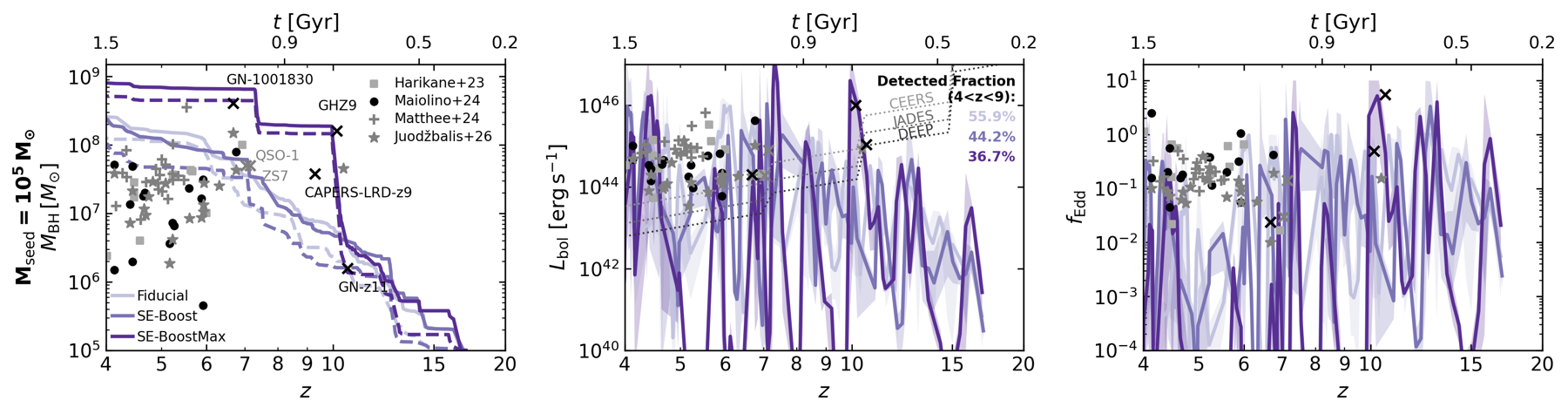
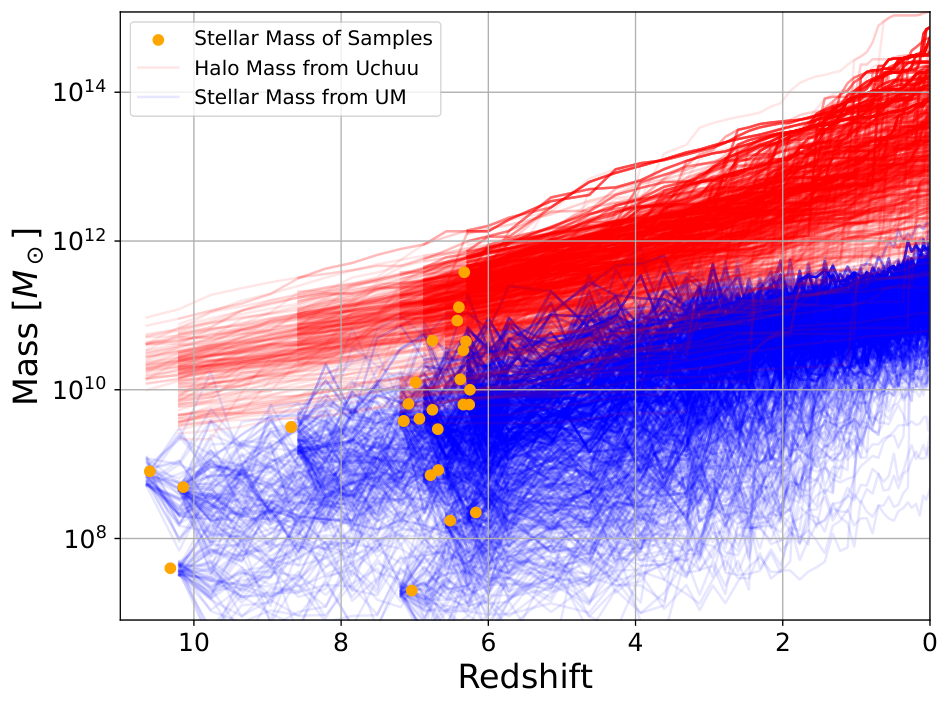
Figure 3 from The lifetimes and properties of Little Red Dots in the AMBRA simulation

2026-09-24 · 2609.26999v1 · Research note

The lifetimes and properties of Little Red Dots in the AMBRA simulation

Patrick LaChance, Yihao Zhou, Aklant Kumar Bhowmick, et al.

Mock JWST selection in AMBRA suggests LRDs are transient appearances of existing black hole–galaxy systems: dim sources require a gas-enshrouded AGN model, while massive compact hosts yield longer-lived phases. Redshift counts remain model-sensitive.

Figure 9 from Inflated Supermassive Stars as Little Red Dots and Progenitors of Supermassive Black Holes

2026-09-22 · 2609.22507v1 · Research note

Inflated Supermassive Stars as Little Red Dots and Progenitors of Supermassive Black Holes

Wenbin Lu

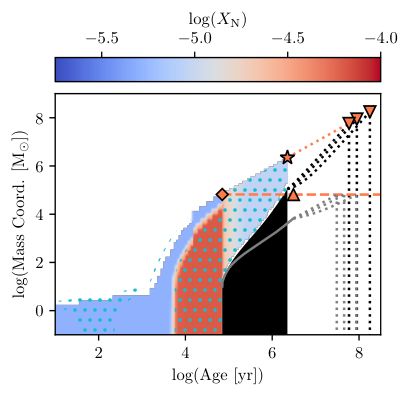
One-dimensional equilibrium models suggest that metal-enriched, hydrogen-burning supermassive stars can attain LRD-like cool photospheres through Fe-opacity-driven envelope inflation, while general-relativistic collapse could leave massive black-hole remnants. The proposed interpretation remains sensitive to atmospheric physics and formation assumptions.

Figure 2 from Little Red Dots as a Transient Phase of Self-Interacting Dark Matter Assisted Black Hole Growth

2026-09-18 · 2609.20021v1 · Research note

Little Red Dots as a Transient Phase of Self-Interacting Dark Matter Assisted Black Hole Growth

Yu Rong, Shuang-Nan Zhang, Jian-Min Wang, et al.

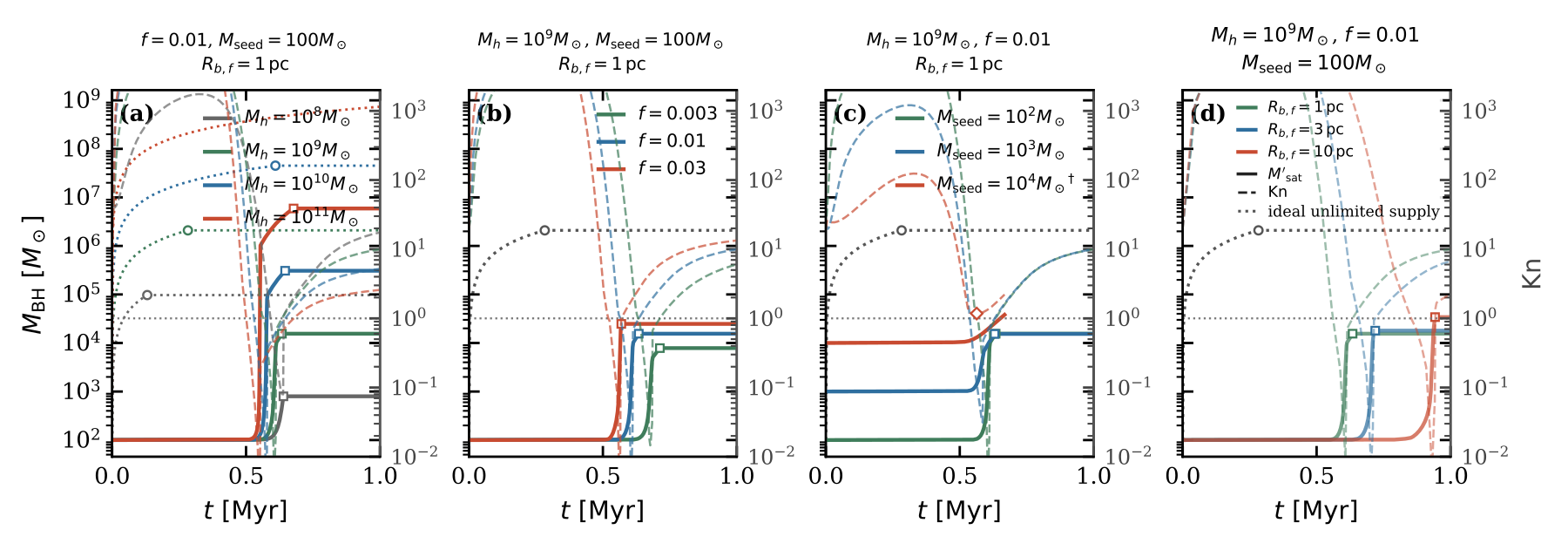
This theory paper proposes that gas inflow compresses self-interacting dark matter (SIDM) around a pre-existing black hole while an optically thick nuclear disk obscures and reprocesses its emission. It reproduces two representative LRD continua, but does not establish SIDM observationally.

Figure 2 from A Dark-matter Origin of Little Red Dots: Early Seeding and Super-Bondi Accretion

2026-09-16 · 2609.16122v1 · Research note

A Dark-matter Origin of Little Red Dots: Early Seeding and Super-Bondi Accretion

Hua-Peng Gu, Fangzhou Jiang, Xian Chen, et al.

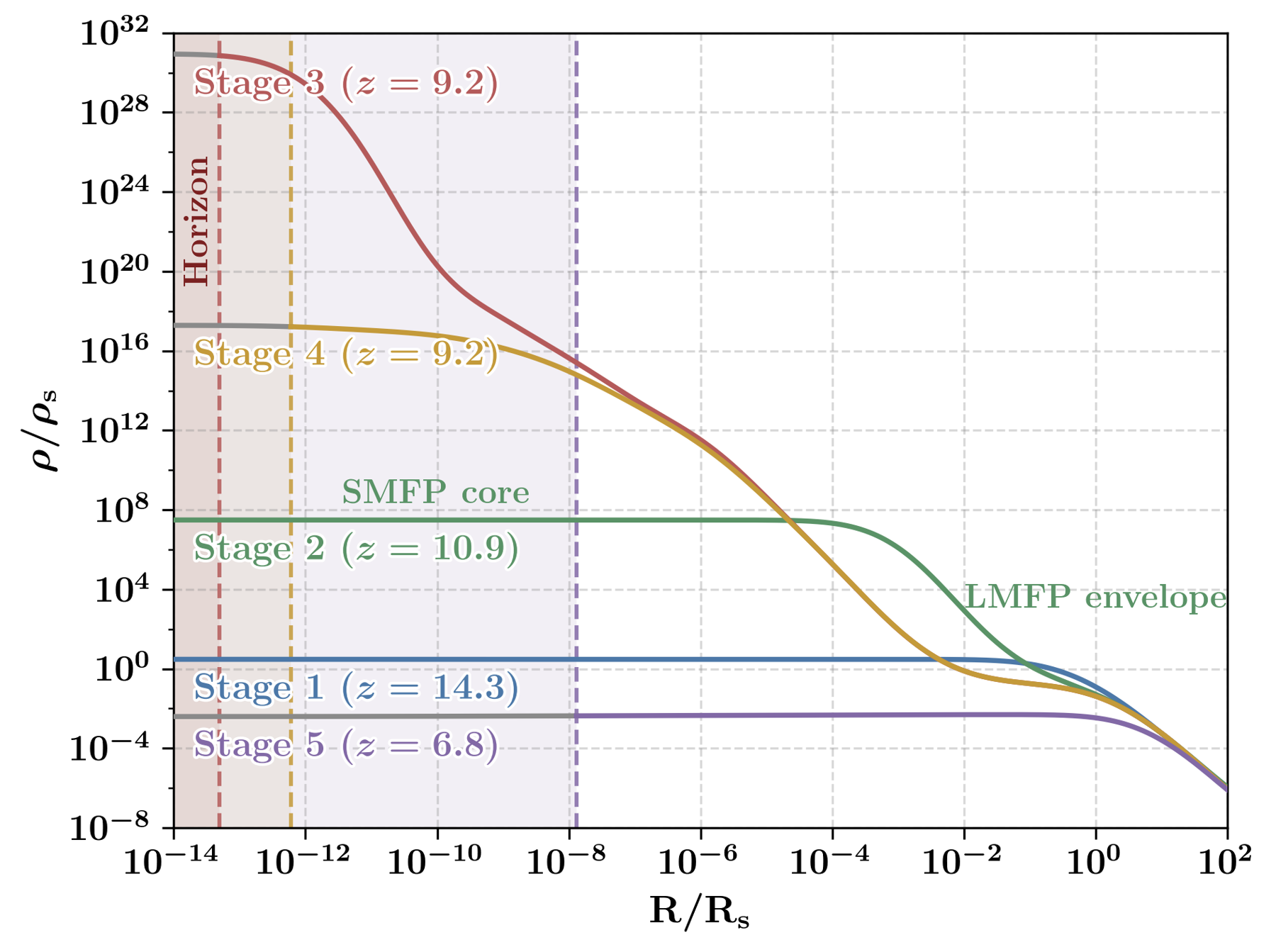
Using relativistic SIDM-halo evolution, the authors argue that pre-reionization, concentrated halos can make stellar-mass seeds and grow them through dark-matter inflow to LRD-like SMBHs by z≈6; late-time fluid-model breakdown makes final masses upper limits.

Figure 2 from Little Red Dots are Direct-Collapse Black Hole-Forming Galaxies

2026-09-14 · 2609.12049v1 · Research note

Little Red Dots are Direct-Collapse Black Hole-Forming Galaxies

Daniel J. Whalen, Muhammad A. Latif, Konstantinos Topalakis, et al.

Two-stage simulations and radiative-transfer spectral modeling suggest that LRDs could be direct-collapse black-hole hosts whose dense disks trap X-rays and generate Balmer absorption; fits spanning z=3.55–9.29 make this physically plausible, but not uniquely established.

2026-09-02 · 2609.00437v1 · Research note

Formation of Heavy Seed Black Holes and Little Red Dots-like Compact Clusters in Metal-enriched Star-forming Regions

Sunmyon Chon, Shingo Hirano, Ke-Jung Chen, et al.

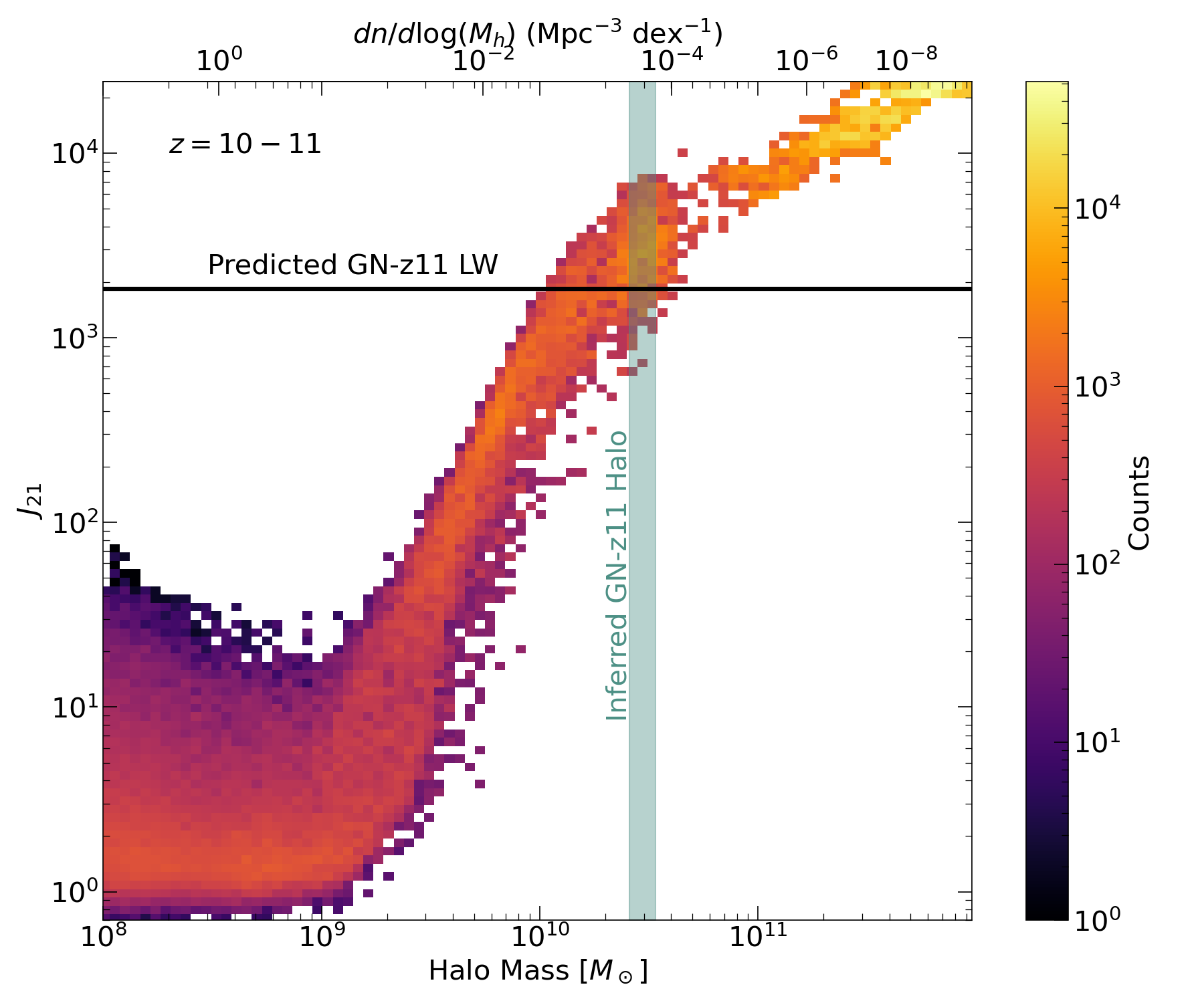
A radiation-hydrodynamic zoom-in simulation links locally intense LW fields, weakly enriched compact clusters, supermassive stars, and heavy seeds. Five of eight simulated >10^6 M⊙ clusters have intrinsic V-shaped, LRD-like continua, but the proposed observational connection remains model-dependent.

Figure 2 from Dust and PAHs in late-stage galaxy evolution: Imprints of TP-AGB dust injection, grain growth and AGN feedback in high-z quiescent galaxies with JWST and ALMA

2026-08-31 · 2608.27571v1 · Research note

Dust and PAHs in late-stage galaxy evolution: Imprints of TP-AGB dust injection, grain growth and AGN feedback in high-z quiescent galaxies with JWST and ALMA

D. Donevski, A. Nanni, K. E. Whitaker, et al.

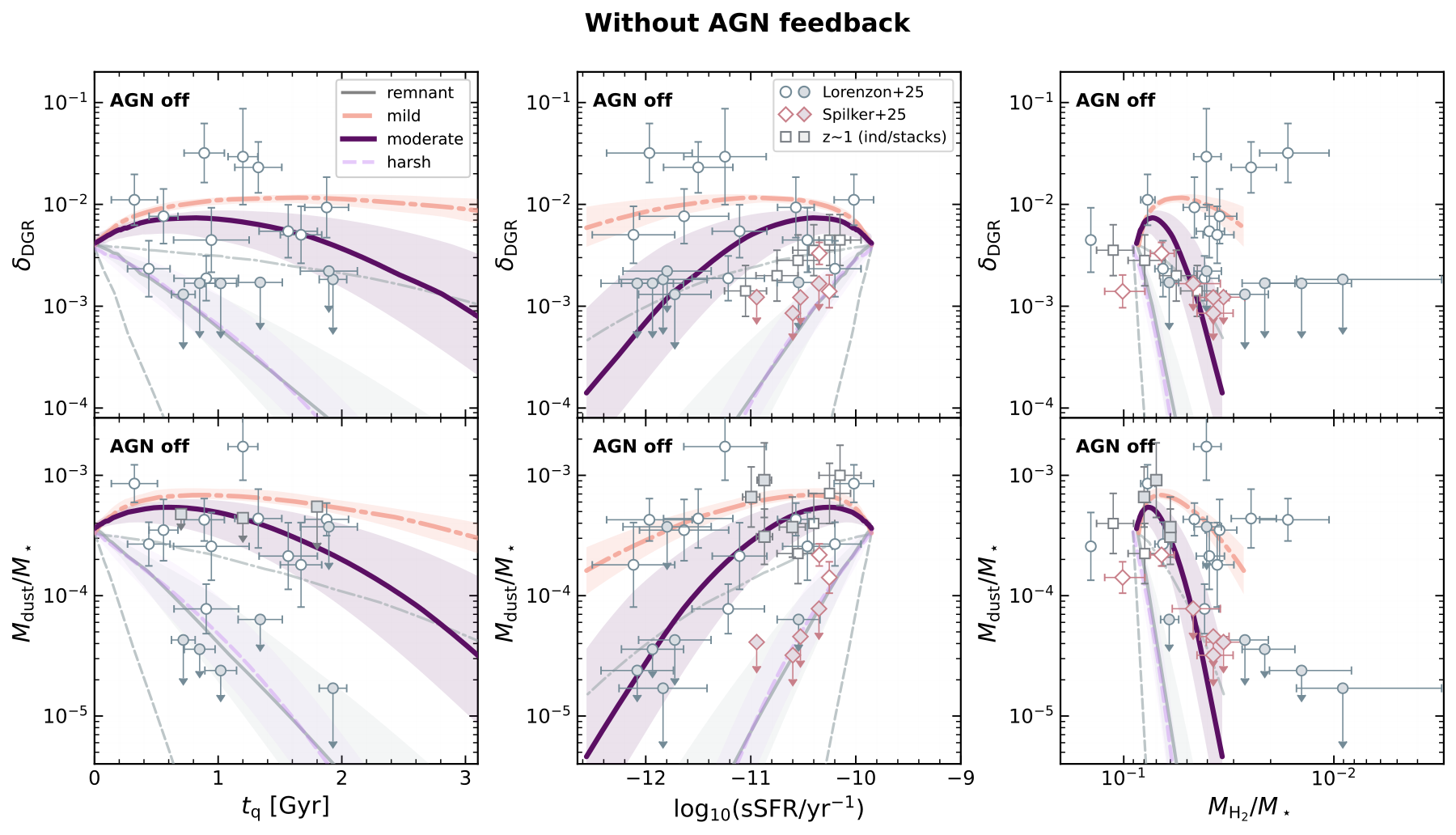
A semi-analytic post-quenching model predicts that delayed TP-AGB dust, grain growth, and AGN-regulated gas loss can produce wide dust and PAH diversity in z~1 quiescent galaxies, motivating joint ALMA–JWST constraints rather than any single ISM tracer.

2026-08-25 · 2608.23498v1 · Research note

The Road to Normalcy: Environment-Driven Evolutionary Pathways for Primordial Black Holes

Saiyang Zhang, Junehyoung Jeon, Boyuan Liu, et al.

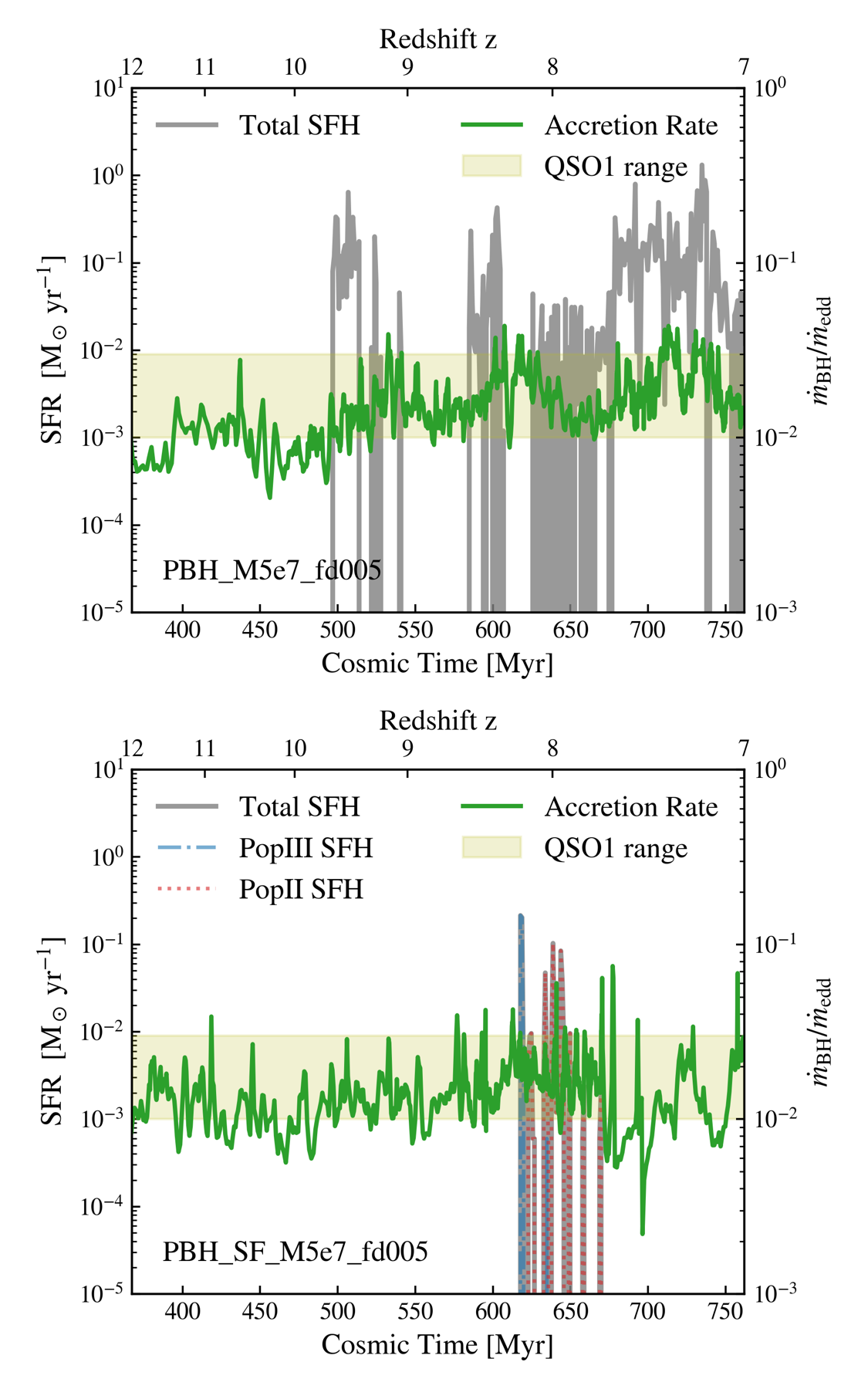
Cosmological hydrodynamical simulations suggest PBH-seeded hosts can briefly be compact and BH dominated, then become more conventional galaxy–AGN systems when overdense environments accelerate stellar assembly. The result is pathway-dependent rather than a unique prediction for Little Red Dots.

2026-08-07 · 2608.05283v1

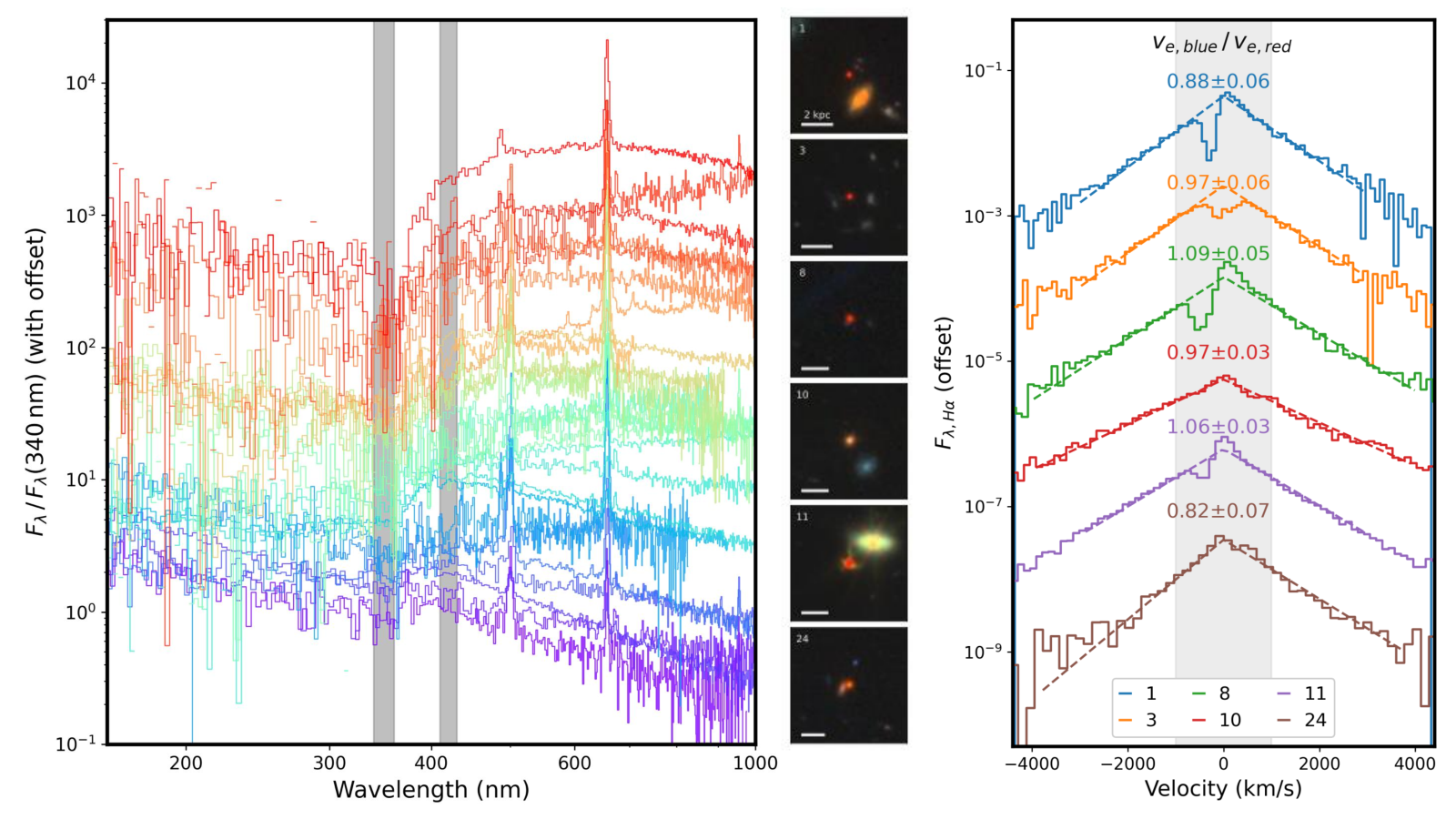
Emission line formation in scattering dominated media: implications for LRDs

Elisha Modelevsky, Omri Nitzan, Re'em Sari, et al.

Modelevsky et al. develop an analytic radiative-transfer framework for Balmer lines produced intrinsically inside static, optically thick, scattering-dominated envelopes, a geometry directly relevant if LRD central engines are hidden by dense gas. Unlike externally broadened, backlit or reflected lines, which generically acquire exponential wings, an extended intrinsic photosphere produces a broken power-law profile, transitioning from v^{-α} to v^{-(α+1)} with 0<α<1; this form fits the Hα profiles of JADES-GN-73488 and JADES-GN-68797. The result offers a line-shape diagnostic for distinguishing intrinsic from extrinsic Thomson broadening in LRDs, although the LTE calculation cannot reproduce the observed high Hα-to-continuum contrast and ultimately requires non-LTE modeling.
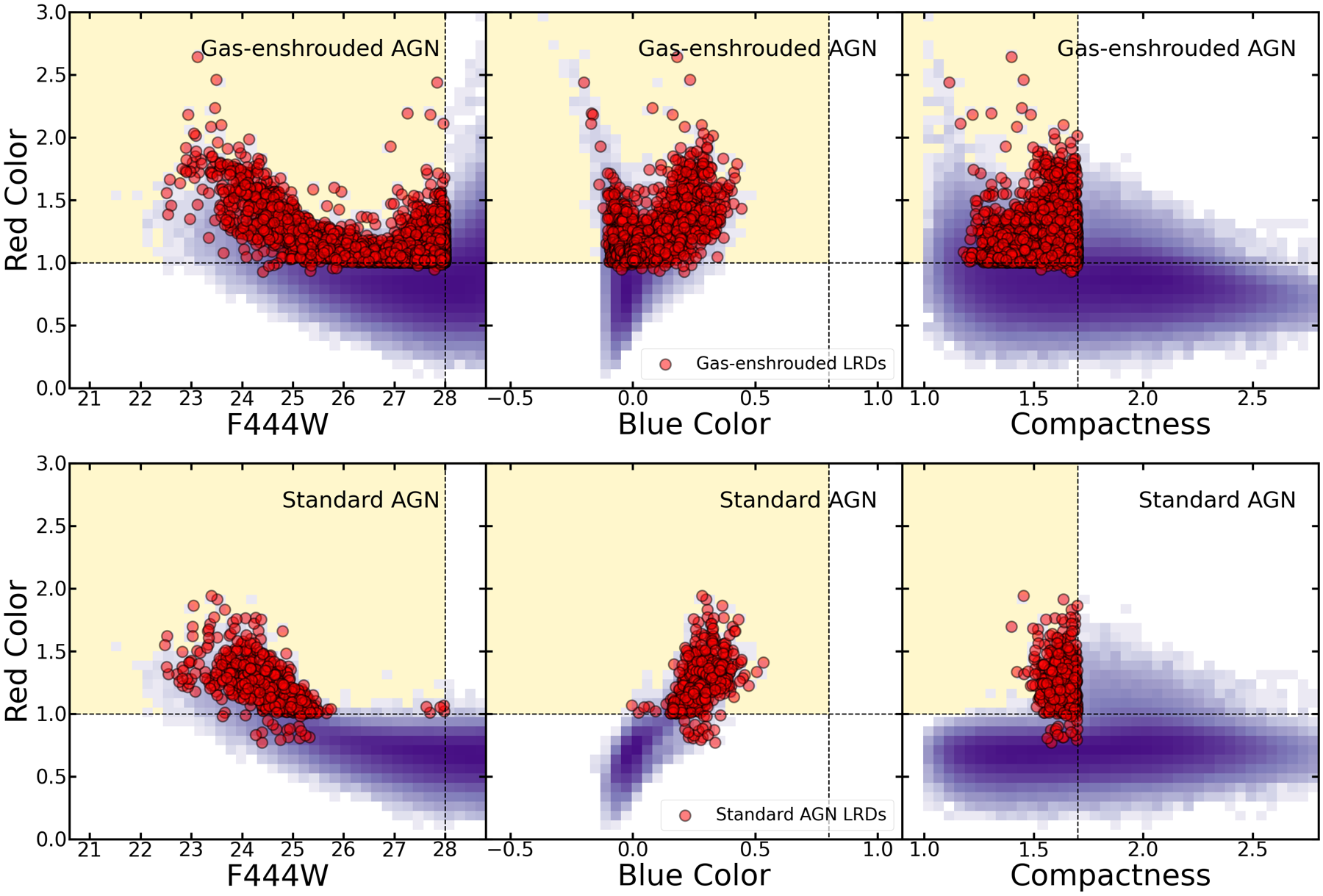
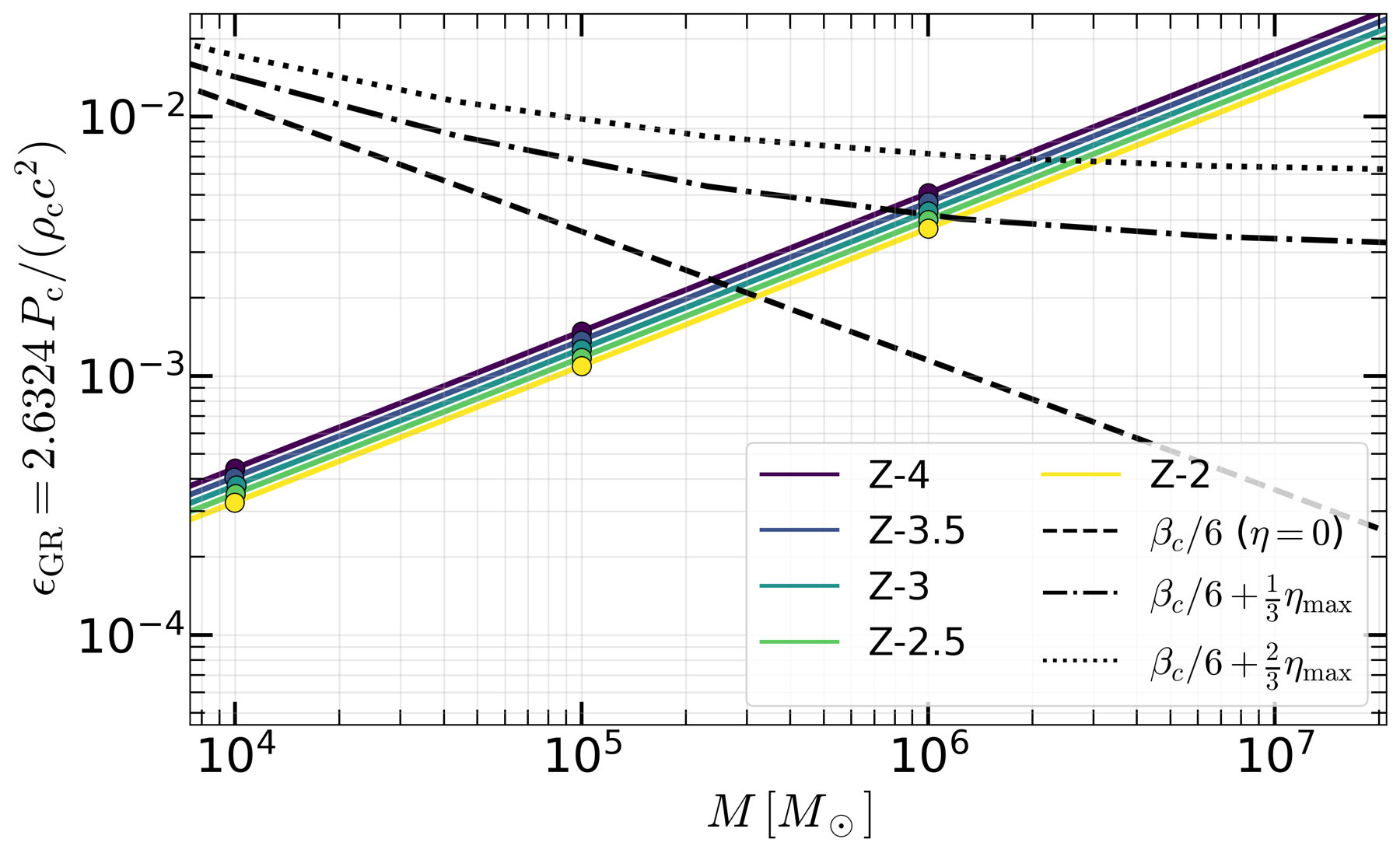
Figure 2 from How to raise a supermassive black hole: interpreting early JWST AGN with the AESOPICA simulations

2026-07-30 · 2607.26177v1 · Research note

How to raise a supermassive black hole: interpreting early JWST AGN with the AESOPICA simulations

Sophie Koudmani, Jan Scholtz, Anthony J. Taylor, et al.

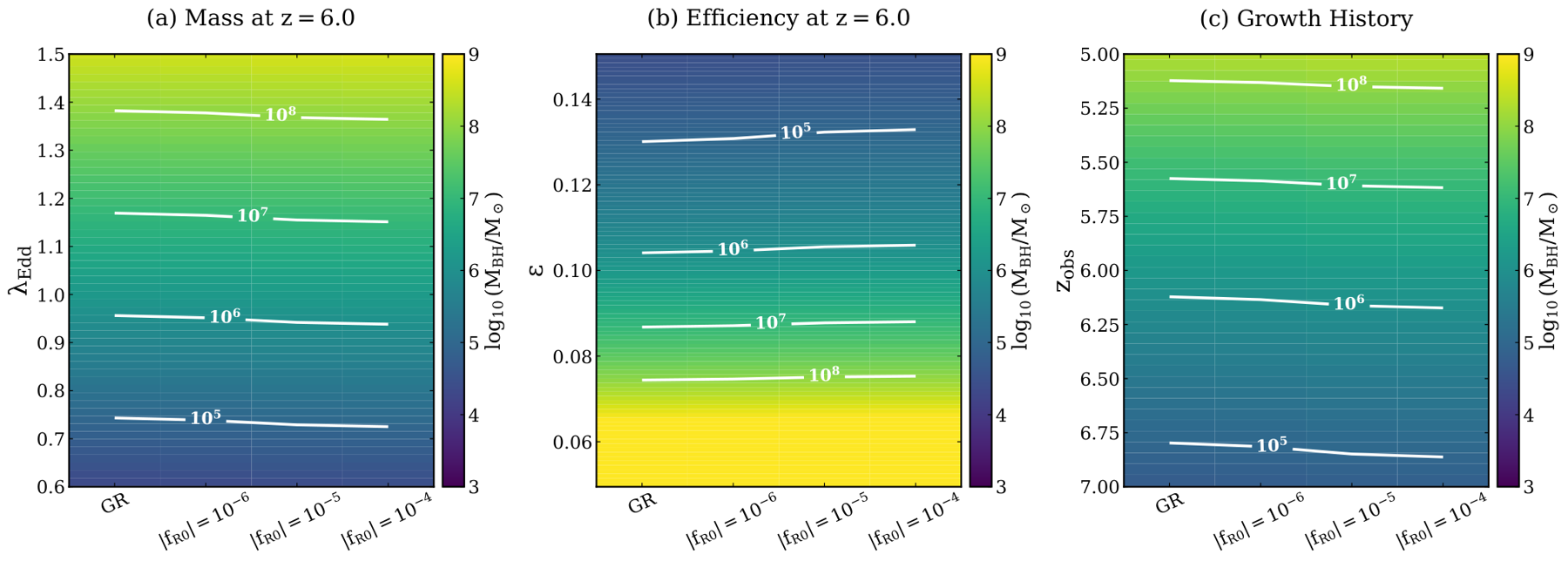
AESOPICA forward-models JWST broad-line selection in 12 cosmological simulations, finding that selection can yield apparently overmassive AGN from several seed scenarios; very light seeds nevertheless require unusually efficient, intermittently super-Eddington growth in the explored models.

Figure 2 from Outflows in super-Eddington quasars drive clumpy circumgalactic medium and extended H$α$ nebulae at $z \gtrsim 6$

2026-07-27 · 2607.21719v1 · Research note

Outflows in super-Eddington quasars drive clumpy circumgalactic medium and extended H$α$ nebulae at $z \gtrsim 6$

Lucas Tortora, Tiago Costa, Debora Sijacki, et al.

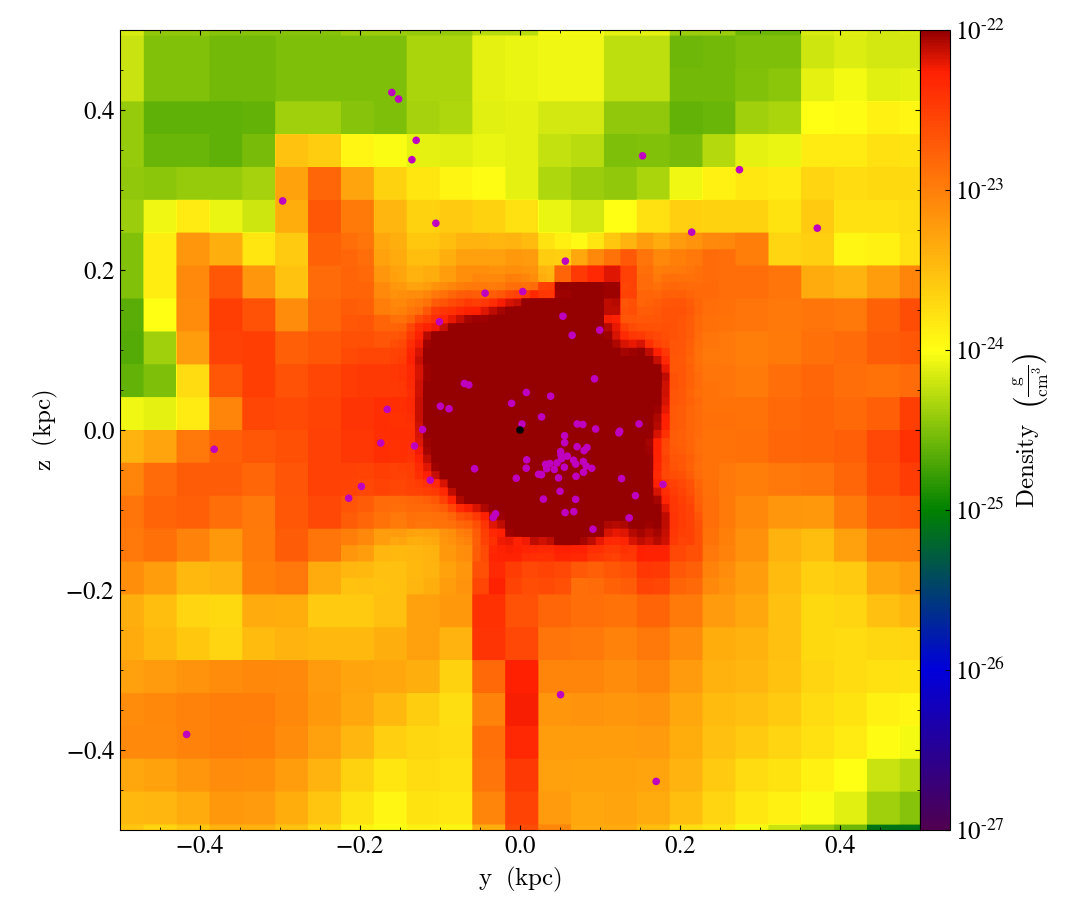
In one extreme z~6 halo, simulations predict that earlier seeding plus mildly super-Eddington growth drives cold, fast, neutral CGM clumps and extended Hα after feedback clears nuclear sightlines; this is a model prediction, not a population measurement.

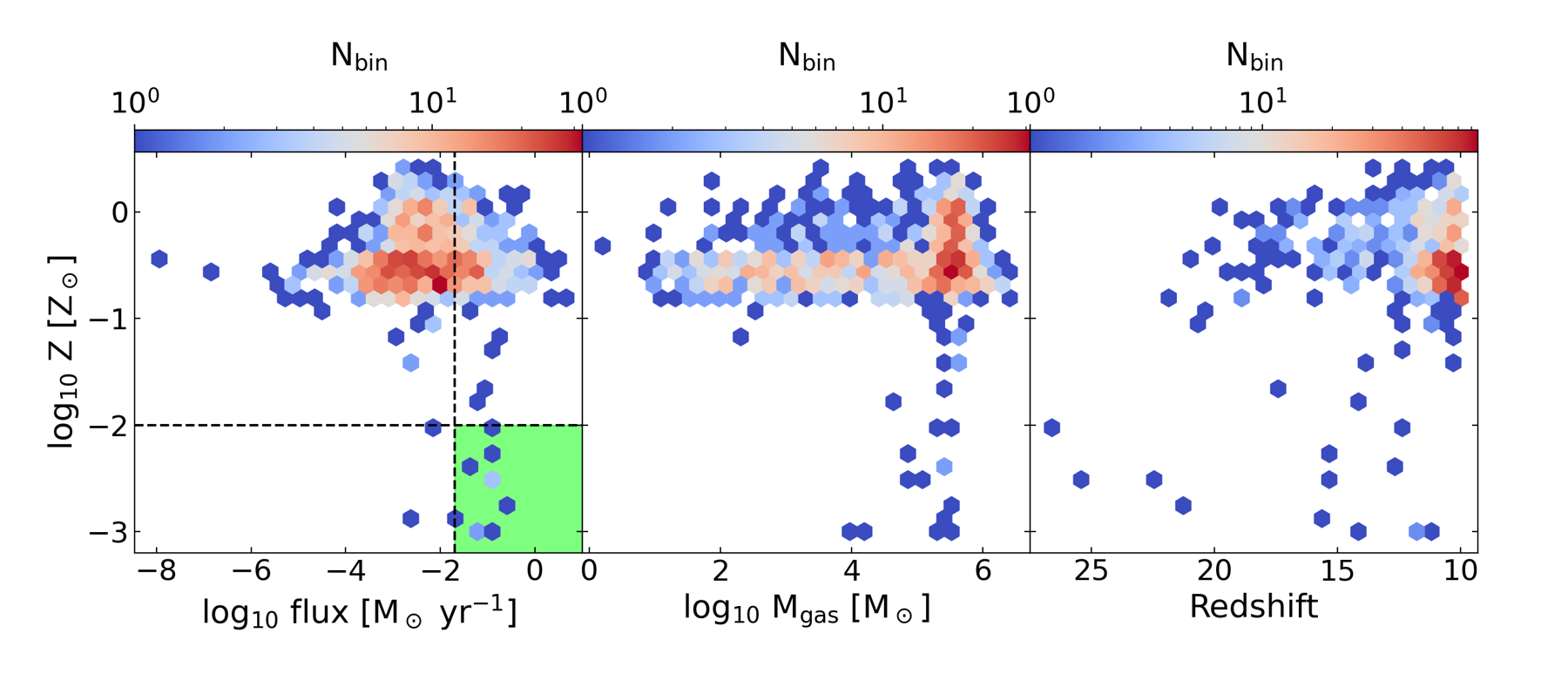
Figure 6 from SEEDZ: Rapid Galaxy Assembly as a Pathway to Supermassive Stars, Dense Stellar Environments and Massive Black Hole Seeds

2026-06-29 · 2606.27427v1 · Research note

SEEDZ: Rapid Galaxy Assembly as a Pathway to Supermassive Stars, Dense Stellar Environments and Massive Black Hole Seeds

Lewis R. Prole, John A. Regan, Daxal Mehta, et al.

In SEEDZ high-resolution cosmological simulations, rapidly assembling halos preferentially meet a prescribed central-inflow criterion for heavy seeds. The authors infer that low-metallicity, sustained-accretion SMS candidates are rare, making any Little Red Dot connection conditional on model assumptions.

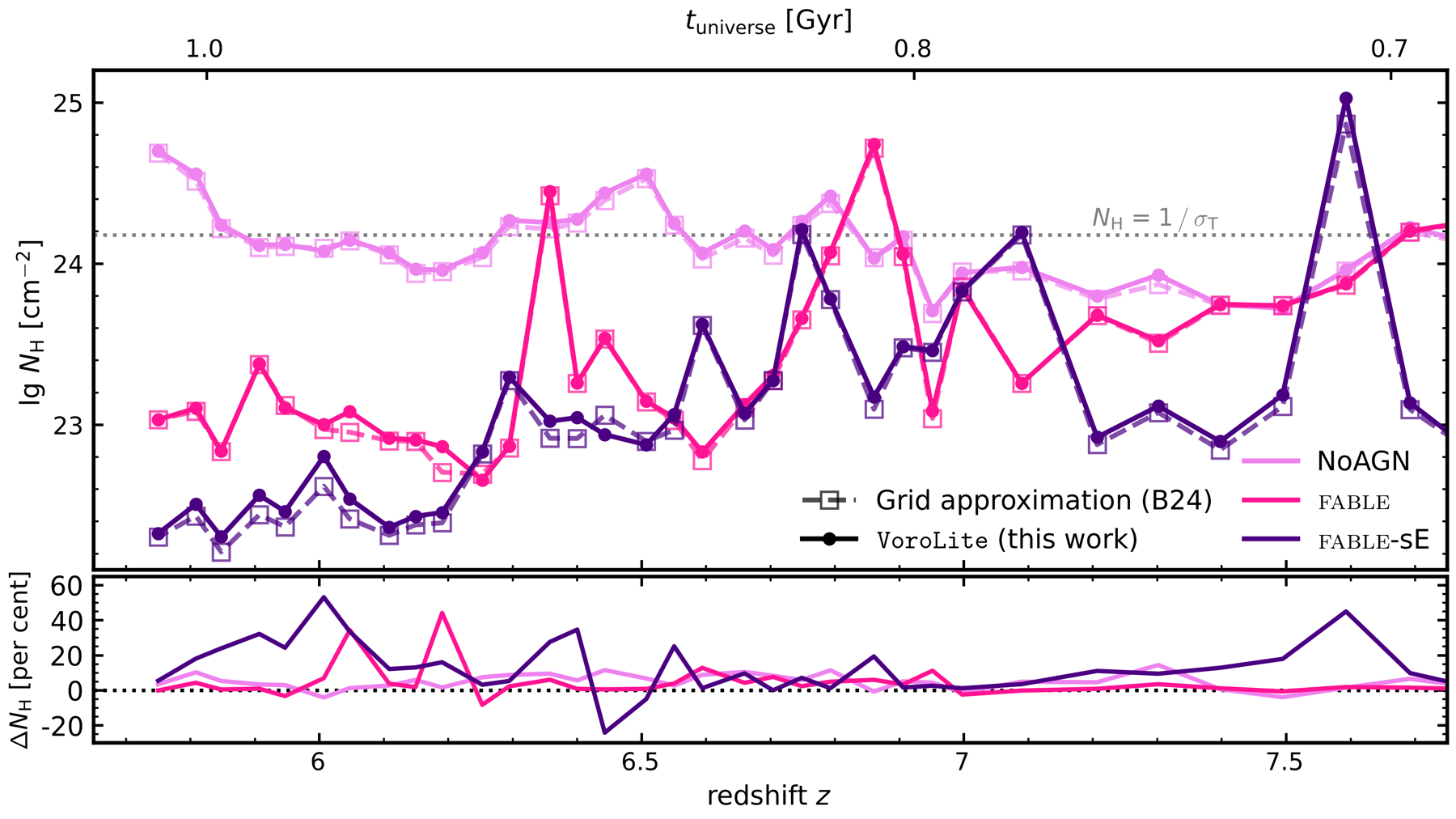
Figure 8 from X-rays Mark the Spot: The Effects of Reduced Metallicity on X-ray AGN Obscuration at High Redshift

2026-06-25 · 2606.25018v1 · Research note

X-rays Mark the Spot: The Effects of Reduced Metallicity on X-ray AGN Obscuration at High Redshift

Yash A. Gursahani, Christopher S. Reynolds

Monte Carlo torus calculations predict that metal-poor, Compton-thick AGN can transmit more X-ray flux than solar-metallicity counterparts, potentially aiding z≳10 detection. The result is model-based: geometry, viewing angle, abundance pattern, and cold-gas assumptions remain consequential.

Figure 4 from Little Red Dots on FIRE: Exploring the formation and observational signatures of ultra-compact early galaxies

2026-06-23 · 2606.23683v1 · Research note

Little Red Dots on FIRE: Exploring the formation and observational signatures of ultra-compact early galaxies

Niranjan Chandra Roy, Daniel Anglés-Alcázar, Rachel K. Cochrane, et al.

FIRE simulations show that transient, inflow-built ultra-compact stellar cores can match several LRD observables without AGN, but fail for the reddest optical continua and most extreme lines, favoring heterogeneous hybrid stellar+AGN interpretations.

Figure 3 from Little Red Dot progenitors from Compact Starbursts: A Natural Path to Early AGN Formation

2026-06-03 · 2606.03375v1 · Research note

Little Red Dot progenitors from Compact Starbursts: A Natural Path to Early AGN Formation

Matías Liempi, Muhammad A. Latif, Dominik R. G. Schleicher

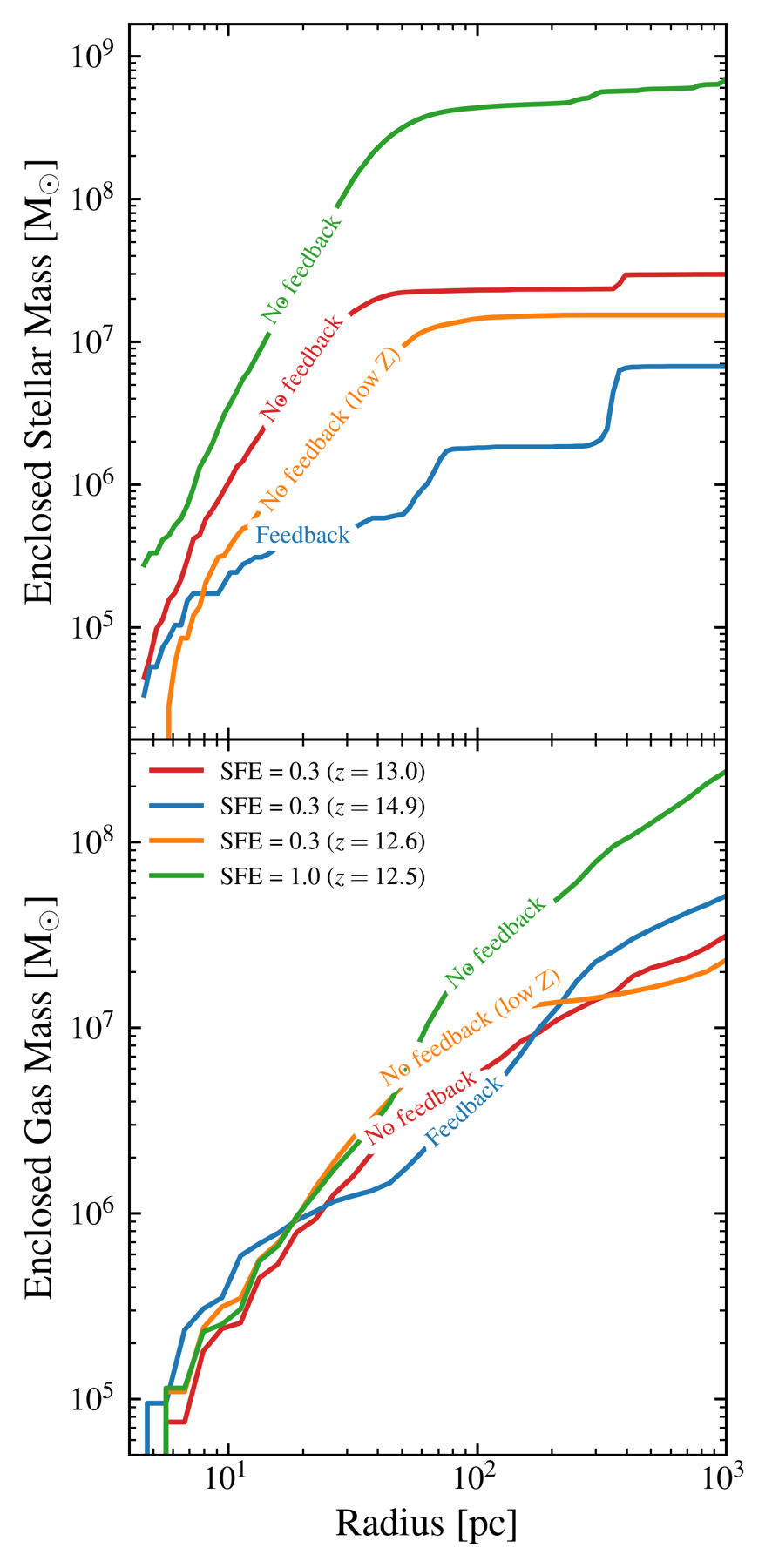
Cosmological simulations of compact z≈12.5–14.9 starbursts find centrally concentrated stellar and gas reservoirs. The authors argue that rapid inflow and transport could, under an assumed 10% retained efficiency, assemble conditions for a ∼10^6 M⊙ black hole and an AGN phase.

2026-06-02 · 2606.01870v1 · Research note

Mass and Spin Growth of Very Massive Stars in Star Clusters Potentially Associated with Little Red Dots

Ataru Tanikawa, Masaru Shibata, Kunihito Ioka

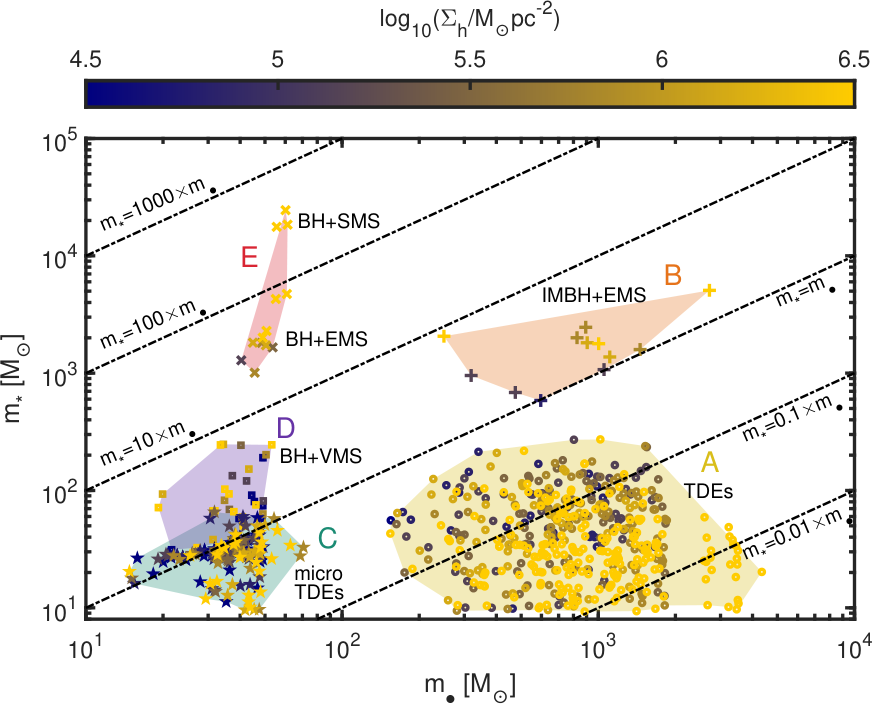
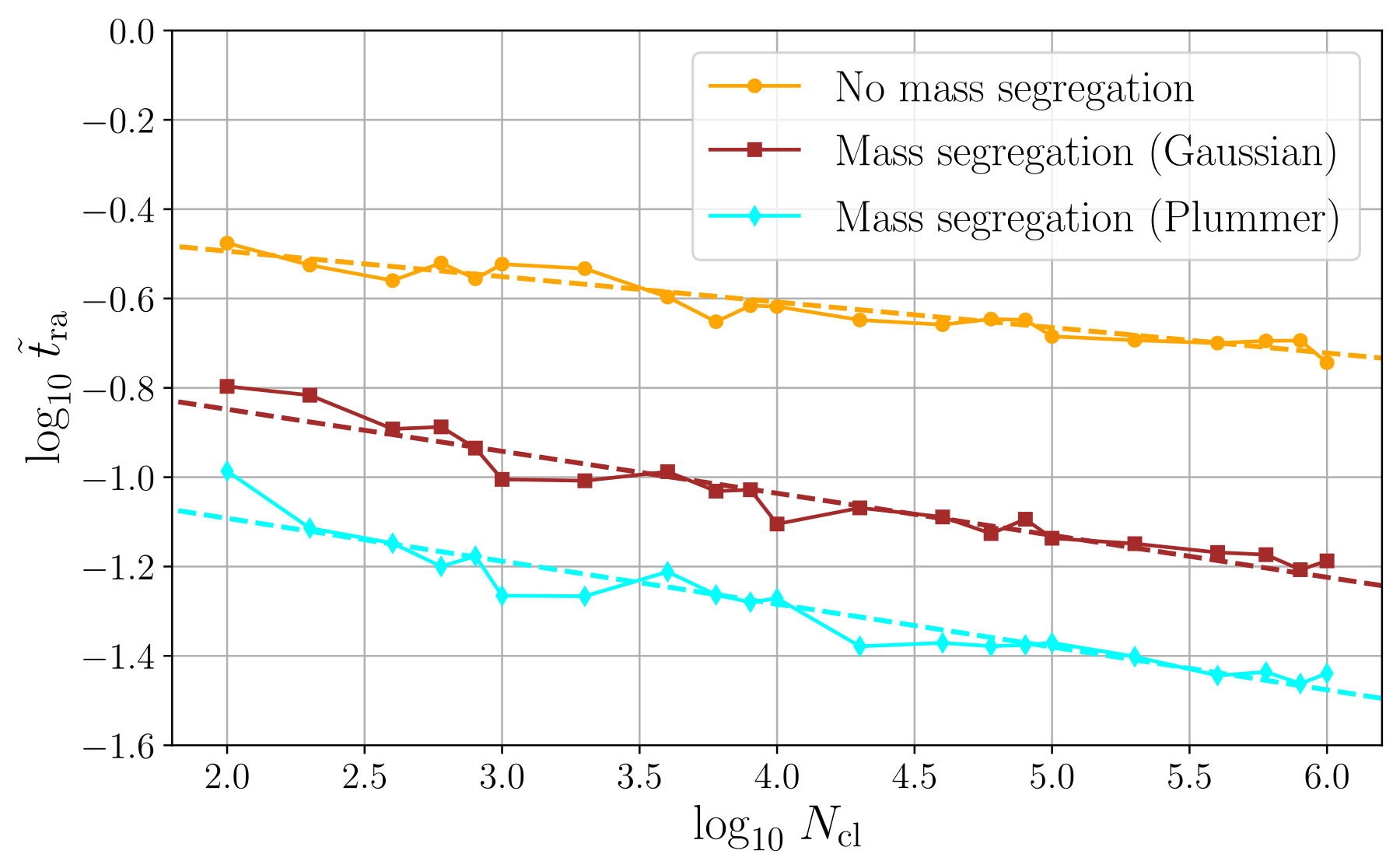
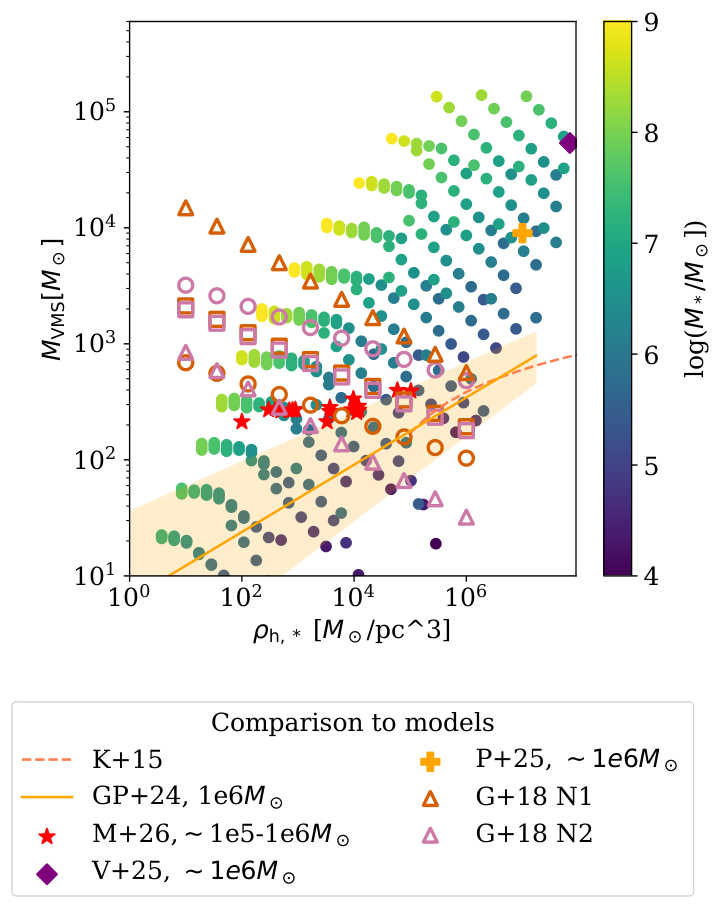
Four N-body cluster models produce collision-grown very massive stars of 10^3–10^4 M⊙; a collision-maintained bloated phase can substantially increase growth, but its duration and the resulting masses/spins remain sensitive to idealized collision and stellar-evolution assumptions.

2026-06-02 · 2606.00205v1 · Research note

Ultraviolet diversity of Little Red Dots as a probe for direct-collapse black hole ages

Elia Cenci, Melanie Habouzit, Dale D. Kocevski

In MELIORA simulations at z>8.5, the host-to-DCBH UV–optical balance declines over roughly 30 Myr after direct collapse, offering a model-dependent relative age indicator: UV-faint/red LRDs are younger, whereas UV-bright systems have more developed stellar hosts.

2026-06-01 · 2605.31077v1 · Research note

Super-Eddington accretion of black holes in early nuclear bursts gives birth to Little Red Dots

Yangyao Chen, Houjun Mo

A cosmological black-hole/galaxy model interprets z≈5 Little Red Dots as luminous, short super-Eddington nuclear-burst phases of previously seeded black holes. It reproduces the reported number-density shape, but the proposed triggering, seeding mix, and descendants remain model-dependent.

2026-05-26 · 2605.24112v1 · Research note

The Lumina Project: The Demographics of Active Galactic Nuclei from Quasars to Little Red Dots at $z\geq 3$

Xuejian Shen, Oliver Zier, Aaron Smith, et al.

Lumina couples a large radiation-hydrodynamic volume to an empirical SMBH-to-observable prescription, and its authors report simultaneous consistency with high-redshift quasar and LRD luminosity functions and LRD clustering. The agreement depends on assumed LRD demographics and spectral properties.

Figure 1 from Population synthesis of active galactic nuclei based on the radiation-regulated unification model

2026-05-17 · 2605.17547v1 · Research note

Population synthesis of active galactic nuclei based on the radiation-regulated unification model

D. Gerolymatou, S. Paltani, C. Ricci, et al.

Using simulation-based inference on a synthetic local AGN population, the authors find an intrinsic Compton-thick fraction of 40±3%. Their radiation-regulated geometry broadly reproduces several X-ray observables, but depends materially on fixed, simplified broad-line-region and torus assumptions.

2026-05-11 · 2605.11077v1 · Research note

The Impact of Cosmic Variance and Satellites on JWST Clustering Measurements at Redshift around 6

Jiamu Huang, Elia Pizzati, Joseph F. Hennawi, et al.

For ASPIRE-like JWST clustering at z≈6, mock-based covariances—not Poisson pair-count errors—are needed for calibrated halo-mass inference: Poisson intervals are systematically too narrow because they omit cosmic variance and correlated radial bins.

Figure 1 from Supermassive stars with embedded stellar black hole cores: dense assembling star clusters as faint multiple Little Red Dot systems

2026-04-24 · 2604.22924v1 · Research note

Supermassive stars with embedded stellar black hole cores: dense assembling star clusters as faint multiple Little Red Dot systems

Antti Rantala

Direct cluster simulations suggest that stellar-mass black holes can enter collision-built extremely/supermassive stars in ultra-dense, low-metallicity clusters, creating longer-lived quasi-star-like objects. The authors propose these as faint, companion-rich multiple Little Red Dots, not typical bright LRDs.

2026-04-22 · 2604.20966v1

Light, heavy, primordial: exploring the diversity of black hole seeding and growth mechanisms in the JWST era

Pratika Dayal

Dayal cross-compares astrophysical light (~100 M⊙) and heavy (~10^3–10^5 M⊙) seeds (via DELPHI) with cosmological primordial black holes (10^{0.5–6} M⊙; PHANES) against z≈5–10 observables. The only scenario the data rule out is Eddington-limited accretion onto light seeds; high black hole–to–stellar mass ratios (Mbh/M*≈0.3–1) are achievable with PBHs or heavy seeds under super-Eddington growth. Crucially, only PBHs and Eddington-limited heavy seeds can simultaneously recover the observed Mbh, M*, and extremely low host metallicities (Z≤0.01 Z⊙) at z≈7–10. PBHs also predict a distinctive decline of Mbh/M* with increasing halo mass and occupancy of 10^9–10^11 M⊙ halos, motivating a clustering-based test selecting z≈7 systems with Mbh/M*>0.1 and Lbol≈10^{44–46} erg s⁻¹.

2026-04-21 · 2604.19988v1

Pulsational mass loss from supermassive stars creates the compact shells of Little Red Dots

Devesh Nandal, Igor Chilingarian, Chris Nagele, et al.

This paper asks whether late pulsational mass loss from supermassive stars can naturally create the compact dense shells inferred around little red dots. The main result is that the final pre-collapse ejection episode can leave behind an optically thick shell on sub-parsec scales, while earlier episodes expand away and become dynamically unimportant for the observed cocoon. The paper matters because it turns the dense-gas requirement of LRDs into a concrete stellar-evolution prediction rather than an external assumption.

Figure 1 from Classifying Supermassive Black Hole Growth Regimes to Observables Across Cosmological Simulations with Forecasts for LSST

2026-04-16 · 2604.16539v1 · Research note

Classifying Supermassive Black Hole Growth Regimes to Observables Across Cosmological Simulations with Forecasts for LSST

Hitaishi Chillara

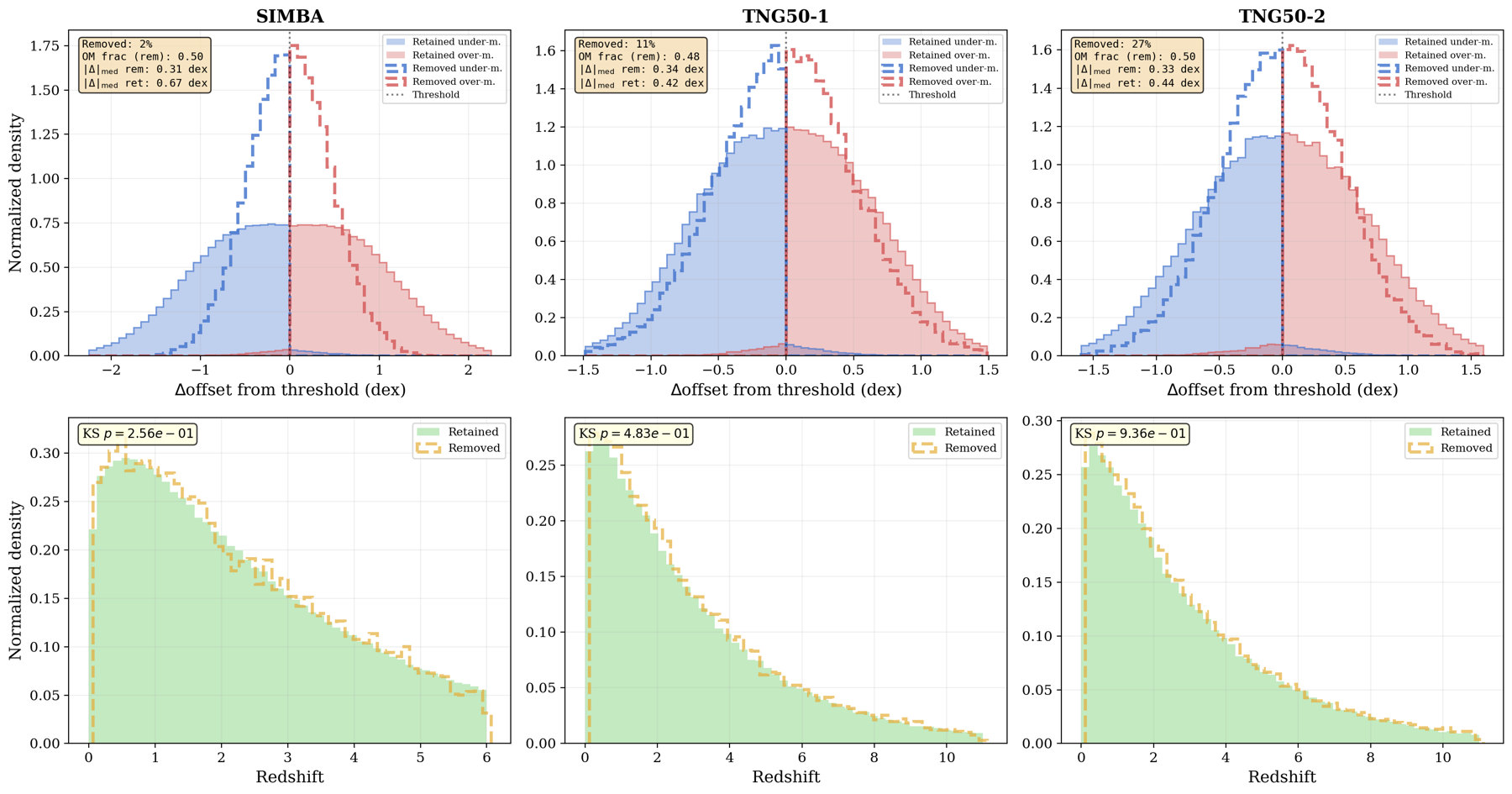
Forward-modelled LSST photometry from cosmological simulations can classify simulated black holes as over- or under-massive relative to their host relation at 91–94% accuracy, but transfer and forward-model assumptions remain material obstacles to applying this result to survey galaxies.

Figure 2 from Smoluchowski Coagulation Equation and the Evolution of Primordial Black Hole Clusters

2026-04-02 · 2604.01684v1 · Research note

Smoluchowski Coagulation Equation and the Evolution of Primordial Black Hole Clusters

Borui Zhang, Wei-Xiang Feng, Haipeng An

Monte Carlo solutions of a Smoluchowski merger model predict three-stage evolution and possible runaway growth in dense primordial-black-hole clusters within the first billion years. The result is a model-dependent route to early massive black-hole seeds, not a direct measurement of little red dots.

2026-03-30 · 2603.28682v1

How Overmassive Black Holes Formed at Cosmic Dawn

Muhammad A. Latif, Daniel J. Whalen, Sadegh Khochfar, et al.

This paper asks whether the newly discussed overmassive black hole galaxies at cosmic dawn can arise naturally from early direct-collapse black-hole formation rather than from a more exotic late-time assembly path. The main result is that a 70,000-solar-mass DCBH formed at very high redshift can grow into a system with the black-hole-to-stellar-mass ratio, metallicity, star-formation rate, and broad spectral properties seen in objects like UHZ1 and GHZ9 by z around 10. The paper matters because it offers a concrete physical channel for the broader JWST overmassive-black-hole population that sits adjacent to the little-red-dot and early-AGN discussion.

Figure 4 from A cosmological framework for stellar collisions at high redshift in proto-globular clusters, nuclear star clusters, and Little Red Dots

2026-03-27 · 2603.26872v1 · Research note

A cosmological framework for stellar collisions at high redshift in proto-globular clusters, nuclear star clusters, and Little Red Dots

Claire E. Williams, Smadar Naoz, Sanaea C. Rose, et al.

A radially resolved analytic framework predicts that stellar collisions can shape compact z≈5–12 clusters: constructive mergers may build very massive stars, whereas destructive encounters near central black holes may create dense gas potentially relevant to Little Red Dots.

Figure 1 from A quasi-star is born: formation and evolution of accreting quasi-stars as a metallicity-independent pathway to Little Red Dots

2026-03-23 · 2603.21714v1 · Research note

A quasi-star is born: formation and evolution of accreting quasi-stars as a metallicity-independent pathway to Little Red Dots

J. Roman-Garza, D. Schaerer, C. Charbonnel, et al.

Stellar-evolution calculations suggest rapidly accreting supermassive stars can undergo relativistic collapse into long-lived quasi-stars whose cool, luminous envelopes overlap Little Red Dot optical properties across modeled metallicities; the LRD interpretation remains model-dependent rather than a direct identification.

2026-03-16 · 2603.15736v1 · Research note

Halo assembly bias in the early Universe: a clustering probe of the origin of the Little Red Dots

Zihao Wang, Fangzhou Jiang, Haonan Zheng, et al.

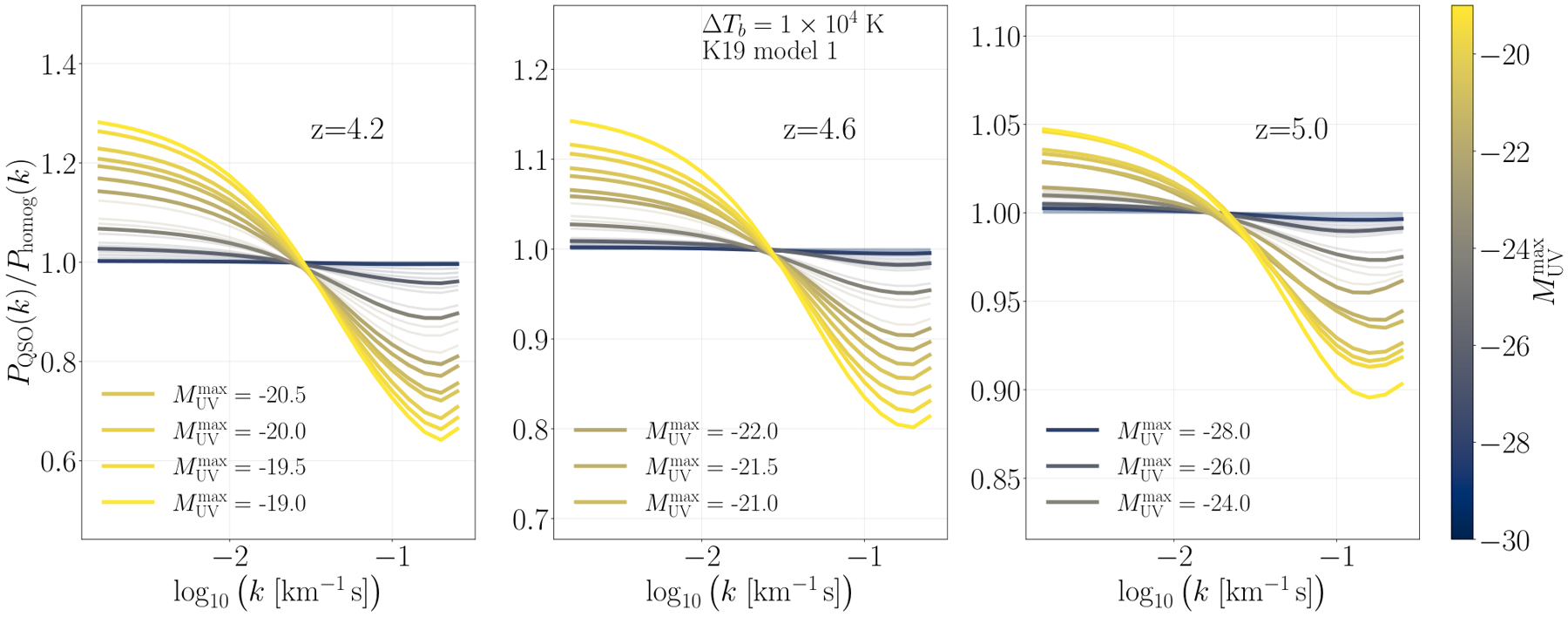
Shin-Uchuu predictions indicate that early halo assembly bias can materially alter LRD clustering interpretations: DCBH hosts should be most biased, whereas low-spin and SIDM channels are weaker for different reasons. Forthcoming LRD cross-correlations could therefore discriminate host selections.

Figure 4 from Merger-driven buildup of the $M_{\rm BH}$ - $M_*$ relation bridging high-$z$ overmassive black holes with the local relation

2026-03-12 · 2603.11747v1 · Research note

Merger-driven buildup of the $M_{\rm BH}$ - $M_*$ relation bridging high-$z$ overmassive black holes with the local relation

Takumi S. Tanaka, John D. Silverman, Kazuhiro Shimasaku, et al.

Monte Carlo merger evolution can reduce an assumed 0.8–1.0 dex scatter in the z~6 black-hole–stellar-mass relation to the ~0.3 dex local scatter, but the result depends strongly on merger mass ratios and rates; major mergers alone are insufficient.

Figure 5 from Causal Reversal in the $M_\unicode{x25CF}\unicode{x2013}σ_0$ Relation: Implications for High-Redshift Supermassive Black Hole Mass Estimates

2026-02-18 · 2602.16775v1 · Research note

Causal Reversal in the $M_\unicode{x25CF}\unicode{x2013}σ_0$ Relation: Implications for High-Redshift Supermassive Black Hole Mass Estimates

Benjamin L. Davis, Saakshi More, Zehao Jin, et al.

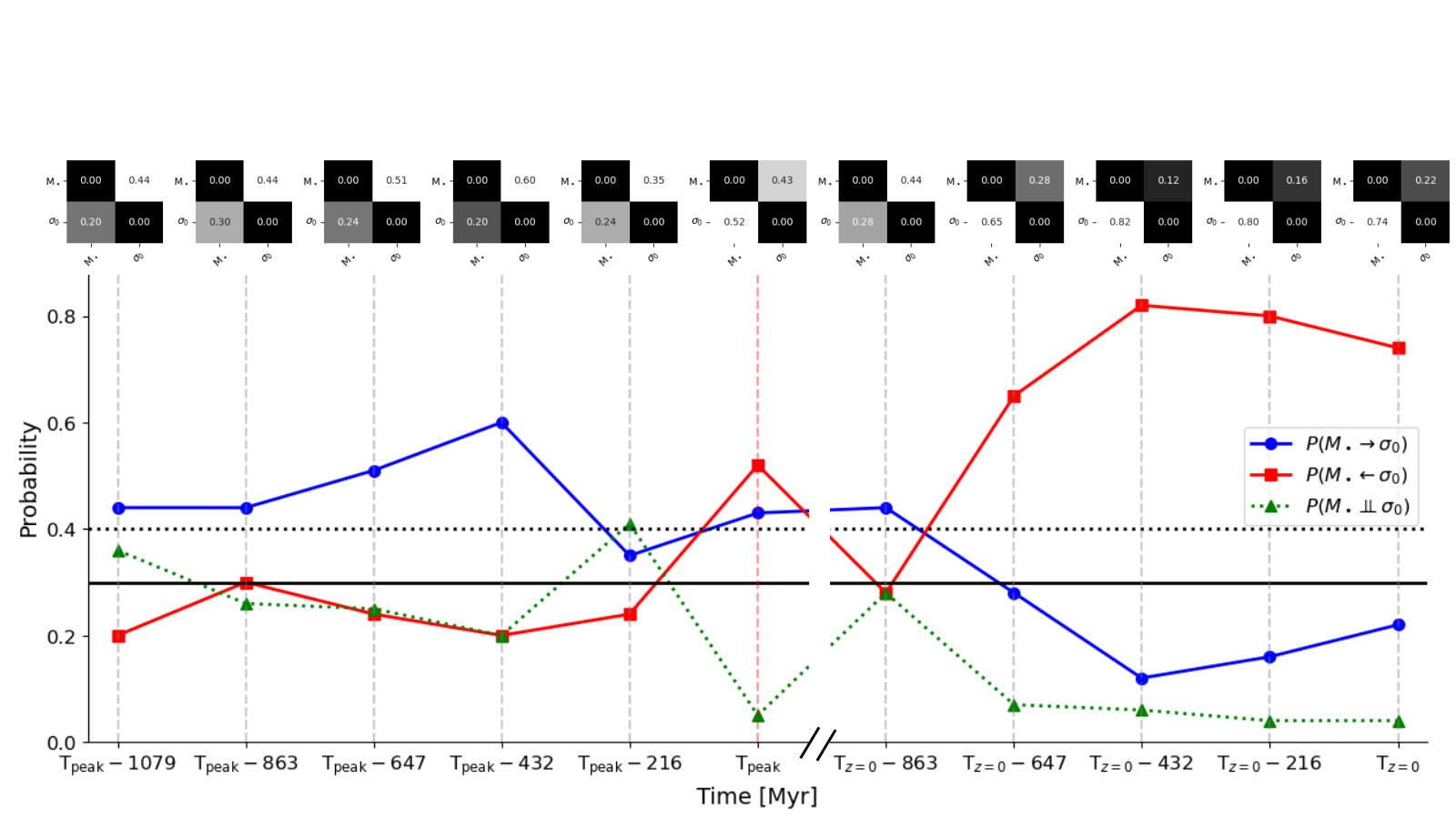
NIHAO simulations suggest that the inferred causal direction of the black-hole mass–velocity-dispersion relation changes across star-forming and quenched phases. Applying a star-forming calibration to 13 z=4.1–10.6 systems lowers their estimated black-hole masses by a median 1.93±0.51 dex.

2026-02-17 · 2602.15952v1

Gas Accretion versus BH Merger driven Growth Modes of Supermassive Black Holes and Implications for the Little Red Dots

Paramita Barai

Cosmological hydrodynamical boxes (50 Mpc)^3 are used to separate merger- from gas-accretion–driven SMBH growth and test feedback choices against SMBH–host coevolution. Seeded at 10^5 Msun, black holes first build up via BH–BH mergers to ~10^7 Msun; only after 7–9 Gyr does accretion reach Eddington, triggering 600–700 Myr bursts that amplify masses by 10^2–10^3 to 10^9–10^10 Msun. AGN-feedback-driven central gas depletion then curtails growth, keeping SMBHs below 10^10 Msun by z=0 and moving systems upward toward the M_BH–M_star relation from below. Implication for JWST little red dots: normal-mass objects are consistent with merger-dominated histories, while overmassive systems require Eddington or super-Eddington accretion episodes.

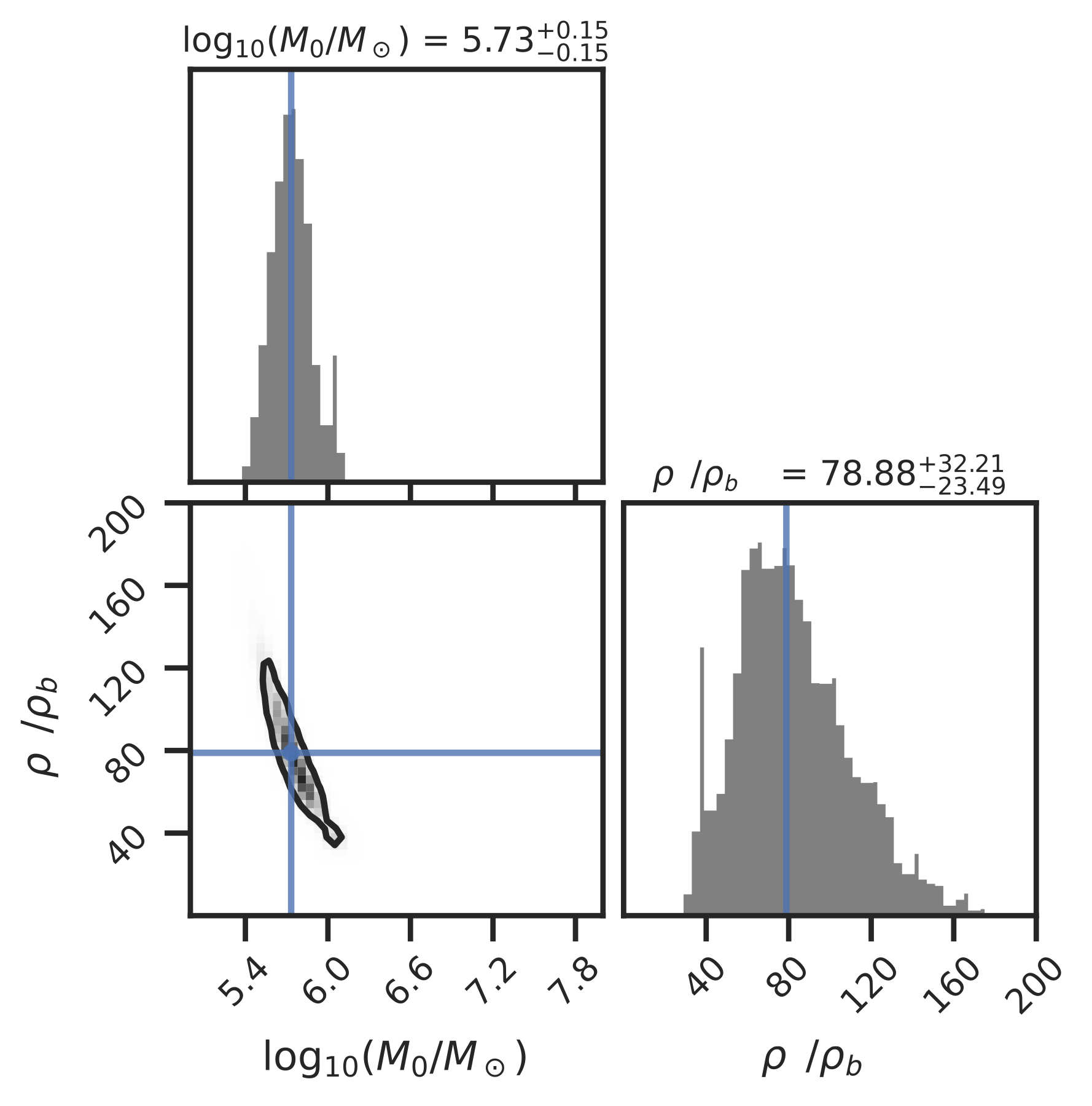
Figure 2 from Back to Normal Again: Possible Destinies of JWST overmassive SMBHs and "Little Red Dots" in the View of Shin-Uchuu Simulation

2026-02-16 · 2602.14496v1 · Research note

Back to Normal Again: Possible Destinies of JWST overmassive SMBHs and "Little Red Dots" in the View of Shin-Uchuu Simulation

Haojie Hu, Hiroto Yanagisawa, Moka Nishigaki, et al.

Using halo merger histories plus empirical prescriptions, the authors project 26 z>6 JWST overmassive SMBHs/LRDs toward lower BH-to-stellar mass ratios by z=0. This is a model-dependent extrapolation, not evidence that individual observed systems will converge.

2026-02-14 · 2602.13902v1 · Research note

J-PAS: Semi-Supervised Sim-to-Obs Transfer for Robust Star--Galaxy--Quasar Classification

Daniel López-Cano, L. Raul Abramo, L. Nakazono, et al.

Semi-supervised adaptation from DESI-derived mocks to J-PAS observations improves held-out four-class photometric classification over mocks-only and equally label-limited J-PAS-only baselines, chiefly for quasars. Results demonstrate mitigation of this specific simulation-to-observation shift, not a general guarantee of transferability.

2026-02-05 · 2602.05921v1 · Research note

Early growth of massive black holes in dynamical dark energy models with negative cosmological constant

N. Menci, M. Castellano, P. Mukherjee, et al.

Under deliberately maximal, continuous Eddington growth from ∼100 M⊙ Pop III seeds, the authors find negative-cosmological-constant dynamical-dark-energy models (ΩΛ≈−1) can yield ∼10^7 M⊙ black holes by z∼10 while increasing early galaxy and AGN abundances.

2026-02-04 · 2602.04974v1 · Research note

Clustering of z~6.6 Quasars and [O III] Emitters Constrains Host Halo Masses and Duty Cycles in 25 ASPIRE Fields

Jiamu Huang, Joseph Hennawi, Elia Pizzati, et al.

JWST/ASPIRE clustering across 25 z≈6.6 quasar fields associates UV-bright quasars with substantially more massive minimum host halos than [O III] emitters, but the inferred ≈Myr quasar lifetime has a highly asymmetric, large uncertainty.

2026-01-30 · 2601.23250v1 · Research note

Too many or too massive? Investigating the high-$z$ demography of active SMBHs from JWST

Daniel Roberts, Francesco Shankar, Vieri Cammelli, et al.

A data-driven demographic consistency test finds that the abundant faint JWST AGN at z≈5.5 can be explained by moderately elevated black-hole–stellar-mass scaling relations and ∼50% duty cycles, without requiring the most extreme inferred black-hole masses.

2026-01-29 · 2601.22213v1 · Research note

Little Red Dots on FIRE: The Ability of Bursty Galaxies to Host an Abundant Population of High-Redshift AGN

Andrew Marszewski, Claude-André Faucher-Giguère, Guochao Sun, et al.

Post-processed FIRE-2 galaxies can yield enough intermittent AGN at z=5–7 to match LRD-scale abundances, but fiducial models overproduce faint sources. The authors’ conditional remedy selects super-Eddington inflow, Eddington-limited luminosities, and moderately massive hosts.

2026-01-29 · 2601.21676v1

Little Red Dots and Supermassive Black Hole Seed Formation in Ultralight Dark Matter Halos

Dongsu Bak, Jae-Weon Lee

Proposes a ULDM-assisted direct-collapse route where baryons confined by central solitonic cores shock-heat above ~10^4 K, suppressing fragmentation without an external UV background. Semi-analytic scalings link halo mass, soliton mass, baryonic core size, and gas thermodynamics (including baryonic contraction) to predict a characteristic SMBH seed mass ~1e5 Msun and an upper BH mass scale ~1e10 Msun. The preferred ULDM particle mass m ≈ 10^-22 eV reproduces the seed scale and aligns with galactic-core inferences, with efficient seeding at z ≳ 10. The framework naturally interprets JWST little red dots as SMBHs embedded in compact, hot, ionized gas clouds.

Figure 1 from Inside the cocoon: a comprehensive explanation of the spectra of Little Red Dots

2026-01-26 · 2601.18864v1 · Research note

Inside the cocoon: a comprehensive explanation of the spectra of Little Red Dots

A. Sneppen, D. Watson, J. H. Matthews, et al.

Self-consistent radiative-transfer modelling of z>3 LRD-like JWST spectra supports accreting ∼10^6 M⊙ black holes embedded in low-dust, dense ionized cocoons. The authors infer mixed inflow/outflow geometry and reproduce continuum breaks, absorption, and electron-scattering line wings.

2026-01-20 · 2601.14368v1 · Research note

The Little Red Dots Are Direct Collapse Black Holes

Fabio Pacucci, Andrea Ferrara, Dale D. Kocevski

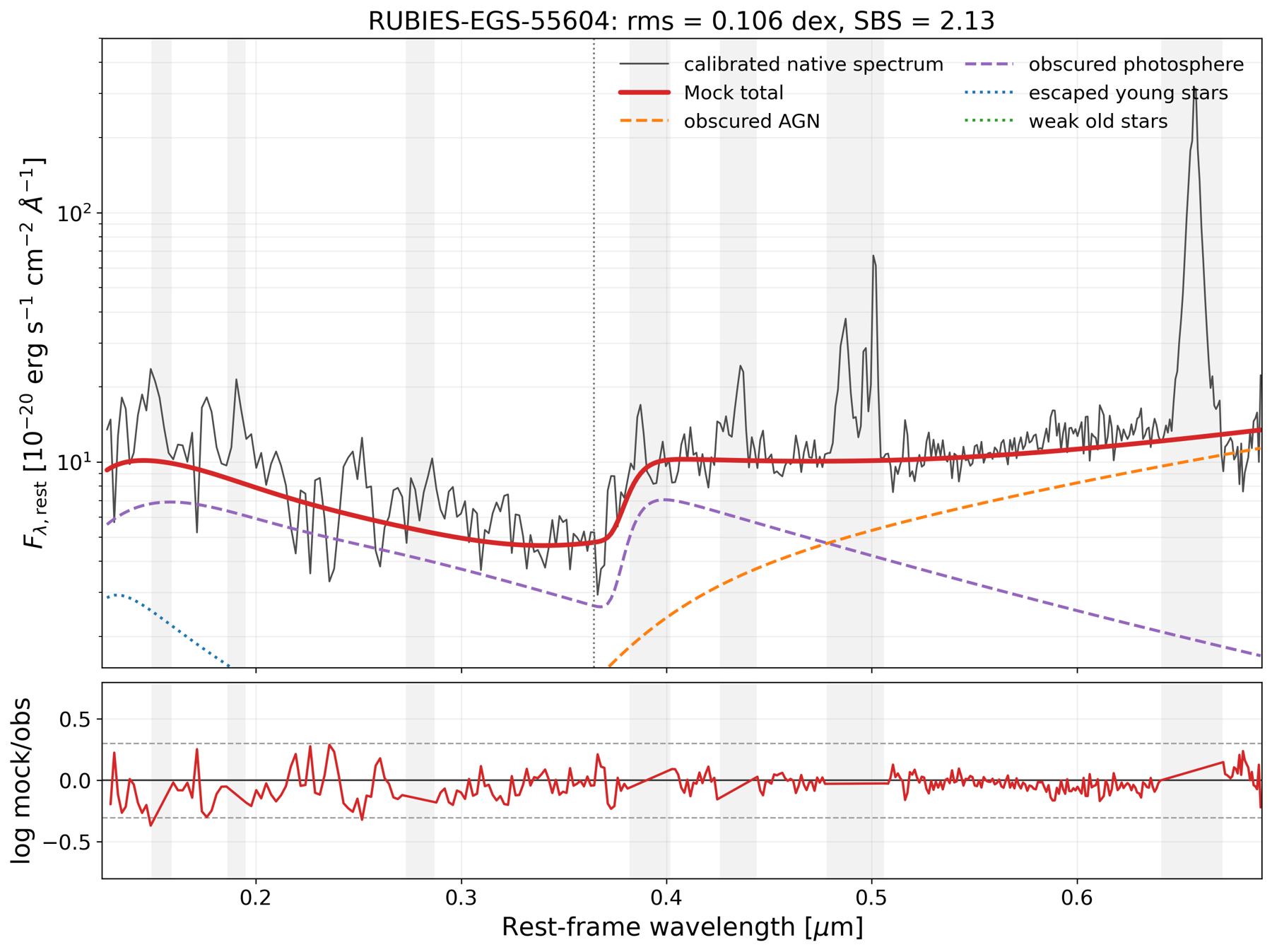
A radiation-hydrodynamic direct-collapse black-hole model can fit one prototypical Little Red Dot spectrum with low residuals while producing Compton-thick obscuration. The result is a model-based explanation, not yet a population-level demonstration that all LRDs are DCBHs.

2026-01-13 · 2601.08936v1 · Research note

A possible pathway to UHZ1-type systems at z~10 by heterogeneous mass primordial black holes as dark matter

Alexander Kashlinsky, Fernando Atrio-Barandela, Diego Martín-González

This analytic PBH-dark-matter scenario argues that PBH shot noise advances low-mass halo collapse and dynamical friction concentrates massive PBHs, potentially assembling UHZ1-like central black-hole masses by z≈10 without super-Eddington gas accretion; viability remains parameter-dependent.

2026-01-08 · 2601.04955v1 · Research note

Rapid emergence of overmassive black holes in the early Universe

Sunmyon Chon, Shingo Hirano, Tomoaki Ishiyama, et al.

A cosmological radiation-hydrodynamic zoom simulation produces two unusually massive heavy seeds in an overdense, strongly irradiated environment; their growth and transient obscuring disks offer a proposed route to overmassive high-redshift black holes and an LRD-like phase.

2025-12-31 · 2601.00044v1 · Research note

Born in the Dark: The Catastrophic Collapse of Fuzzy Dark Matter Solitons as the Origin of Little Red Dots

Tak-Pong Woo

The authors propose that LRDs are transient, Compton-thick inflows within fuzzy-dark-matter soliton cores. Their size-and-column arguments favor boson masses of a few ×10^-22 eV, but the mechanism remains an analytic, idealized-merger scenario requiring radiation-hydrodynamic tests.

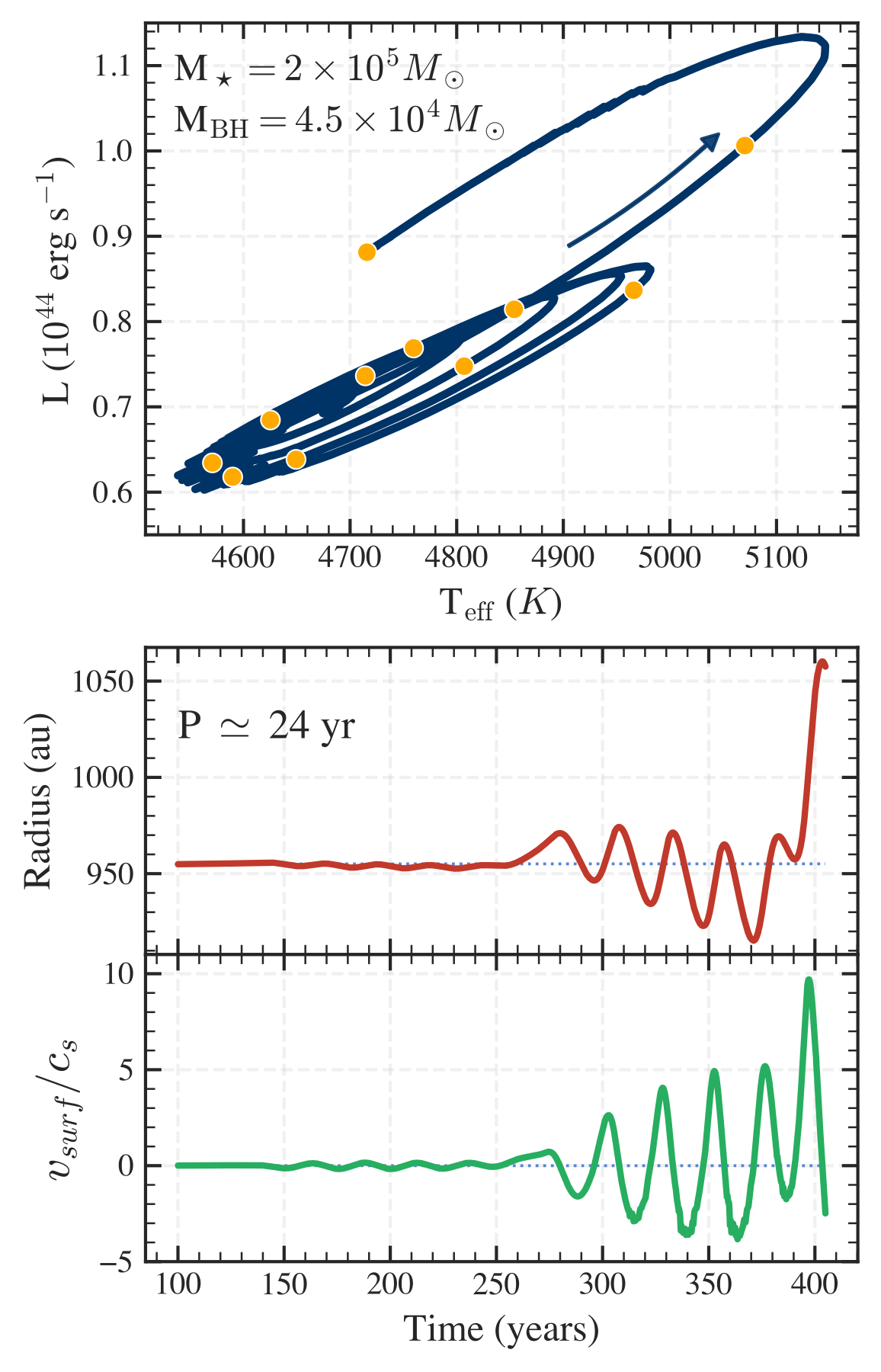
Figure 5 from Pulsational Instability of Quasi-Stars: Interpreting the Variability of Little Red Dots

2025-12-19 · 2512.17997v1 · Research note

Pulsational Instability of Quasi-Stars: Interpreting the Variability of Little Red Dots

Matteo Cantiello, Jake B. Hassan, Rosalba Perna, et al.

Stellar-evolution and pulsation models place cool quasi-star envelopes in an instability strip whose radial-mode timescales are compatible with R2211-RX1, but sparse monitoring and unresolved nonlinear mass loss prevent a demonstrated periodic or uniquely quasi-star interpretation.